11 Min Read
 You’ve been considering a home remodel for awhile. Maybe your home no longer fits your lifestyle. The layout feels closed off. The finishes are outdated. Or you’ve simply outgrown the space, but you love the neighborhood too much to leave.
At some point, the question shifts from “Should we renovate?” to “Where do we even begin?” Unfortunately, that’s where many homeowners get stuck.
A large-scale home renovation is more than another home project. It’s a major investment that requires planning, coordination, and the right team guiding you from start to finish.
If you are considering a whole home remodel, addition, or other home renovation in Denver, Boulder, or the Front Range, this guide will walk you through how to start with clarity and confidence.
- Where Should You Start When Planning A Home Renovation?
- What is the Process For A Whole Home Remodel?
- How Do You Create a Budget Before Starting A Home Renovation?
- Why Hire A Contractor Using the Design-Build Process?
- How Do You Choose The Right Contractor for A Large Renovation in Devner, Boulder and the Front Range?
- What Should You Expect During A Large Home Renovation?
- What Should I Know Before Renovating My Front Range Home?
- Is A Large-Scale Renovation Worth It?
- Frequently Asked Questions About Large-Scale Home Renovations in Denver
- Ready To Start Your Home Renovation Near Denver?
Where Should You Start When Planning A Home Renovation?
Starting a large-scale home renovation can feel overwhelming, especially when there are so many decisions to make early on.
Most homeowners assume the first step is hiring a contractor or meeting with an architect. In reality, the process starts well before that.
The best place to begin is by getting clear on your goals. Try asking yourself:
- What is not working in your current home?
- How do you want the space to function differently?
- Are you planning to stay long-term?
- What level of investment are you comfortable with?
For larger renovations, clarity at the beginning sets the foundation for everything that follows. Without it, projects often face delays, redesigns, or budget misalignment.
Common Goals For Home Renovations In Denver and beyond
For many Front Range homeowners, a large-scale renovation is about more than updating finishes. It is about rethinking how the home supports their lifestyle while making a long-term investment in comfort and value.
Common goals include:
- Opening up older floor plans, especially for kitchens
- Expanding square footage with an addition or pop-top
- Modernizing outdated homes
- Creating a long-term “forever home” with aging-in-place design features
Starting here ensures your renovation solves the right problems, not just cosmetic ones.
From there, the process becomes much more structured. Once your goals are defined, the next step is understanding how a full renovation actually comes together from start to finish.
What is the Process For A Whole Home Remodel?
A successful renovation follows a clear, step-by-step process. Understanding this early helps set expectations and gives you confidence as you move forward. While every project is different, most whole home remodels follow a similar structure.
Initial Consultation
This is where everything begins. You meet with your contractor to discuss your goals, priorities, and investment range. At this stage, the focus is on understanding your vision and determining what is possible based on your home and budget.
Design And Planning
Once the project is aligned, the design phase begins.
This includes:
- Developing floor plans and layouts
- Exploring design options and features
- Selecting materials and finishes
- Aligning the design with your budget
For large-scale renovations, this is one of the most important phases. Decisions made here directly impact cost, timeline, and overall outcome.
Pre-Construction
Before construction begins, the project is fully prepared.
This stage includes:
- Finalizing scope and pricing
- Identifying new plumbing and electrical needs, if adding new bathrooms or additions
- Securing permits and approvals
- Creating a construction schedule
- Coordinating trades and materials
A strong pre-construction phase reduces surprises and keeps the project running smoothly.
Construction
With planning complete, construction begins. During this phase, your contractor manages:
- Daily progress on-site
- Coordination between trades
- Quality control and inspections
- Ongoing communication with you
Even well-planned projects require adjustments. The difference is having a process in place to handle them efficiently.
Completion And Final Walkthrough
As the project wraps up, attention shifts to finishing details and ensuring everything meets expectations.
This includes:
- Final walkthroughs
- Addressing any remaining items
- Preparing the home for move-in or full use
At this point, your renovation is complete and ready to be lived in.
Understanding this process makes the next step much easier. Once you know how a project flows, you can start planning one of the most important pieces: your budget.
How Do You Create a Budget Before Starting a Home Renovation?
Creating a realistic budget is one of the most important steps in planning a large-scale renovation.
Without a clear investment range, it is difficult to make informed decisions about design, scope, and materials. This often leads to redesigns, delays, or projects that never move forward.
The goal is not to have an exact number from the start. It is to establish a potential project cost range that aligns with your goals and the level of finish you expect.
How Do You Determine Your Renovation Budget?
Start by considering three key factors:
- Your Goals: Are you making cosmetic updates, or are you reworking layout, structure, and flow? Larger transformations require a higher level of investment.
- Your Home: Older homes, which are common in our service area, often require additional updates behind the walls. This can include electrical, plumbing, or structural improvements.
- Your Long-Term Plans: If this is your long-term home, it often makes sense to invest more upfront to get the result you truly want.
What Costs Should You Plan For?
A comprehensive renovation budget includes more than just construction.
You should account for:
- Design and planning
- Permits and engineering
- Demolition and structural work
- Materials and finishes
- Labor and project management
- Contingency for unforeseen conditions
In markets along the Front Range, permitting timelines and labor demand can also influence overall cost.
Which Features Are Worth The Investment?
For larger renovations, certain upgrades tend to deliver the most long-term value.
These often include:
- Reconfiguring layout for better flow and functionality
- Expanding square footage with an addition or pop-top
- High-quality windows and insulation for energy efficiency
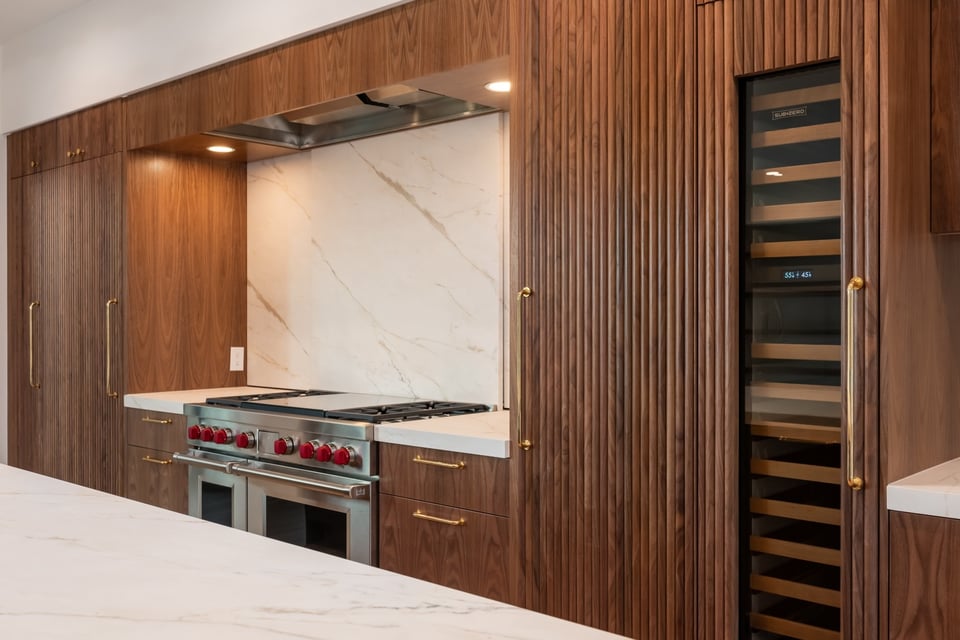
- Custom cabinetry and built-ins
- Kitchen and primary suite upgrades
While these features require a higher upfront investment, they significantly improve how the home lives day to day and often add long-term value.
Why Budget Planning Early Leads To Better Results
When your budget is clearly defined early in the process, your design and construction team can guide you more effectively.
This helps:
- Avoid redesigns and change orders later
- Keep the project aligned with your goals
- Create a smoother overall experience
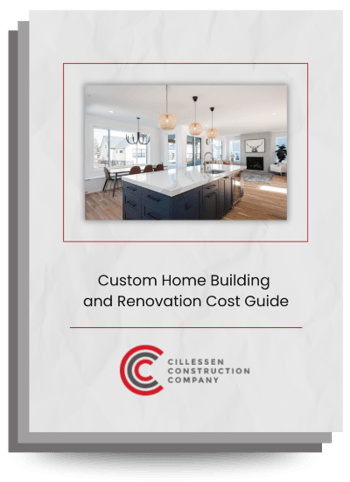
If you are unsure where to start, reviewing a detailed cost breakdown can be helpful. You can explore our cost guide to better understand typical investment ranges and what to expect for different types of projects.
Once your budget is established, the next step is choosing the right approach for your project and assembling the right team.
Why Hire a Contractor Using the Design-Build Process?
One of the most important decisions you’ll make early in your renovation is how to structure your team.
Many homeowners assume they need to hire an architect first, then find a contractor to build the project. While that approach can work, and we enjoy collaborating with clients with outside architects, this method can create a disconnect between design, budget, and construction. The design-build process solves that problem by bringing everything under one team from the start.
What Is The Design-Build Process?
The design-build process is an integrated approach where one contractor manages both the design and construction of your project.
Instead of working with separate firms, you collaborate with a single team that handles:
- Initial planning and feasibility
- Floor plans and design development
- Budgeting and cost alignment
- Permits and engineering
- Construction and project management
This creates a more cohesive experience from concept through completion. For whole home remodels and major additions, design-build offers several clear advantages.
Better Budget Alignment From The Start
Design decisions are made with real construction costs in mind. This reduces the risk of designing something that exceeds your budget.
A More Streamlined Process
With one team managing everything, communication is simpler and decisions move faster.
Fewer Surprises During Construction
Because your contractor is involved from the beginning, potential challenges are identified early rather than discovered mid-project.
Clear Accountability
There is a single point of responsibility for both design and construction, which leads to a more organized and efficient project.
When Does Design-Build Make The Most Sense?
The design-build approach is especially valuable when:
- You are planning a whole home remodel
- Your project includes structural changes or an addition
- You want guidance throughout the entire process
- You prefer a more efficient and organized experience
For homeowners in Denver, Boulder, and beyond, investing in larger renovations, this approach often leads to better outcomes and a smoother overall experience.
Choosing the right approach sets the foundation for your project. From there, it is important to understand what the renovation experience will actually look like once construction begins.

How Do You Choose the Right Contractor for a Large Renovation in Denver, ?
Choosing the right contractor is one of the most important decisions you will make during your renovation.
For large-scale projects like whole home remodels and additions, the contractor you choose will directly impact your experience, your timeline, and the final result.
What Should You Look For In a Contractor?
Not all contractors are equipped to handle complex renovations. Larger projects require a higher level of planning, coordination, and communication.
When evaluating contractors, look for:
- Experience with projects similar in size and scope
- A clearly defined design and construction process
- Strong communication from the very beginning
- A portfolio that reflects quality and consistency
- A team structure that supports the entire project
A well-organized contractor will not only build your project but guide you through each step along the way.
Why Does A Strong Portfolio Matter?
A contractor’s portfolio gives you insight into the type and quality of work they consistently deliver.
As you review projects, pay attention to:
- Overall craftsmanship and attention to detail
- Design quality and layout improvements
- Projects similar to your goals in size and complexity
This helps you understand whether the contractor is the right fit for your vision.
You can explore our portfolio to see examples of large-scale renovations and additions completed throughout the Denver area.
How Should You Interview Contractors?
Before making a decision, it is important to have detailed conversations with potential contractors.
Ask questions like:
- How do you approach budgeting during design?
- What does your process look like from start to finish?
- How do you communicate during construction?
- Who will be managing my project day to day?
- Can you walk me through a project similar to mine?
The goal is to understand not just what they build, but how they manage the entire experience.
What Are Common Mistakes To Avoid?
Many homeowners run into issues when they rush this decision or focus only on price.
Common mistakes include:
- Choosing based on the lowest bid rather than overall value
- Hiring a contractor without large-scale renovation experience
- Not fully understanding the process before starting
- Overlooking communication and project management
For larger renovations, these mistakes can lead to delays, budget overruns, and unnecessary stress.
Why Work With An Experienced Design-Build Team?
For complex renovations, working with an experienced design-build contractor provides a more structured and predictable experience.
A team like Cillessen Construction brings:
- A defined process from design through construction
- Experience with large-scale residential projects
- A focus on quality, transparency, and communication
- A team that is aligned from start to finish
This approach helps ensure your project stays on track and delivers the level of detail and craftsmanship you expect.
Choosing the right contractor sets the foundation for your entire renovation. Once that decision is made, it is important to understand how your location and home itself can impact the project.
What Should You Expect During A Large Home Renovation?
A large-scale home renovation is a significant undertaking. Understanding what to expect ahead of time helps reduce stress and leads to a smoother overall experience.
How Long Does A Large Home Renovation Take?
One of the most common questions homeowners ask is about timeline. For most large-scale renovations, you can expect:
- Several months of design and planning
- 6 to 12 months or more of construction, depending on scope
Projects that include additions, structural changes, or full home transformations often fall on the longer end of that range. Planning ahead and starting early is key, especially in a market like Denver where experienced contractors often book out months in advance.
What Is It Like To Live Through A Renovation?
Depending on the scope of your project, your day-to-day life will be impacted.
For larger renovations, many homeowners choose to temporarily move out during major phases of construction, or adjust how they use their home while work is underway. There will be noise, dust, and limited access to certain areas of the home. Setting expectations early makes this much easier to manage.
How Does Communication Work During The Project?
Clear communication is one of the most important parts of a successful renovation.
You should expect:
- Regular updates on progress
- Visibility into upcoming phases and decisions
- A clear point of contact throughout the project
A structured communication process helps ensure you always know what is happening and what to expect next.
What Causes Unexpected Changes?
Even with thorough planning, renovations can uncover unforeseen conditions, especially in older homes.
This can include:
- Outdated wiring or plumbing
- Structural issues behind walls
- Changes required to meet current building codes
The key is not avoiding all surprises. It is working with a team that can manage them efficiently and keep your project moving forward.
Understanding what to expect during construction helps you prepare for the journey ahead. The next step is making sure you have the right team in place to guide you through it.
What Should I Know Before Renovating My Front Range Home?
Renovating a home in Denver, Boulder, and Along the Front Range comes with unique considerations that can impact both your timeline and your budget. Understanding these factors early helps you plan more effectively and avoid surprises as your project moves forward.
How Do Permits And Regulations Affect Your Project?
Each municipality has specific building codes, zoning requirements, and permitting processes that must be followed for most renovations.
Depending on your project, this may include:
- Structural approvals
- Zoning restrictions for additions or pop-tops
- Historic district guidelines in certain neighborhoods
- HOA requirements in some communities
Permitting timelines can vary, and delays are not uncommon. Working with a contractor who understands the local process helps keep your project moving efficiently.
What Should You Know About Renovating Older Homes In Denver and beyond?
Many homes in our service area, especially in established neighborhoods, were built decades ago. While these homes often have great character, they may require updates such as:
- Electrical systems brought up to current code
- Plumbing upgrades
- Structural reinforcement
- Insulation and energy efficiency improvements
These factors can impact both cost and scope, which is why early planning is so important.
How Does colorado’s Climate Impact Renovations?
Colorado’s climate plays a role in both construction and material selection. Seasonal weather conditions, temperature swings, and altitude can affect:
- Construction timelines
- Exterior materials and durability
- Energy efficiency decisions
Planning for these conditions helps ensure your home performs well long after the renovation is complete.
Why Local Experience Makes A Difference
Every market has its own challenges, and the Front Range is no exception. Working with a contractor who has experience in the area means:
- Better navigation of permitting and approvals
- Familiarity with local home styles and construction methods
- More accurate timelines and expectations
The level of experience by a local, reputable contractor helps create a smoother, more predictable renovation process.
Is a Large-Scale Renovation Worth It?
For many homeowners, renovating is not just an option. It is often the better alternative to moving. In a competitive housing market where home values are high and desirable neighborhoods are limited, finding a new home that meets all your needs can be difficult. Even when you do, it often comes with compromises.
A large-scale renovation allows you to stay where you are while transforming your home to better fit your lifestyle.
Why More Homeowners Are Choosing To Renovate Instead Of Move
Rather than starting over in a new home, many homeowners are choosing to invest in the one they already have. This approach allows you to:
- Stay in a neighborhood you already love
- Avoid the costs and stress of buying and moving
- Customize your home to fit your exact needs
- Increase long-term value through thoughtful improvements
For homeowners planning to stay long-term, renovating often delivers a better overall outcome than trying to find the “perfect” home on the market.
Frequently Asked Questions About Large-Scale Home Renovations Near Denver
How Much Should I Budget Before Starting?
The cost of a large-scale home renovation can vary widely depending on the scope, size, and level of finishes. Whole home remodels and major additions typically require a significant investment, especially in the Denver market.
The best approach is to define a realistic budget range early so your design and construction plans align with your goals.
What Impacts The Cost Of A Large Renovation?
Several factors influence the overall cost of a renovation, including:
- The size and scope of the project
- Structural changes or additions
- The age and condition of the home
- Material selections and level of customization
- Permits, engineering, and local requirements
- Labor demand in the Denver area
Larger, more complex projects require more planning and coordination, which can also impact cost.
How Long Does A Full Home Renovation Take?
Most large-scale renovations include several months of design and planning, followed by 6 to 12 months or more of construction.
The exact timeline depends on the complexity of the project, permitting requirements, and overall scope of work.
What Should I Expect During The Process?
You can expect a structured process that includes planning, design, pre-construction, and construction phases.
During construction, there will be regular communication, scheduled milestones, and some level of disruption depending on the scope of your project.
Working with an experienced team helps ensure the process stays organized and predictable.
What Is Unique About Renovating In Denver?
Renovating in Denver involves additional considerations such as permitting requirements, zoning regulations, and the condition of older homes.
Climate, elevation, and demand for skilled labor can also impact timelines and material choices. Working with a contractor familiar with the Denver market helps navigate these factors more efficiently.
Ready To Start Your Home Renovation in Denver, Boulder, and Beyond?
Starting a large-scale home renovation is a significant decision, and having the right team in place from the beginning makes all the difference.By taking the time to define your goals, understand your investment, and follow a proven process, you can move forward with clarity and confidence while avoiding common challenges along the way.
If you are considering a whole home remodel, addition, or large-scale renovation, the next step is simple. Start with a conversation.
At Cillessen Construction, our team works closely with homeowners throughout the Denver area to plan and execute renovations that are thoughtful, well-managed, and built to last. From initial planning through construction, the focus is on creating a home that fits your lifestyle and delivers long-term value.
Contact our team to schedule a consultation and take the first step toward transforming your home.