
9 Min Read
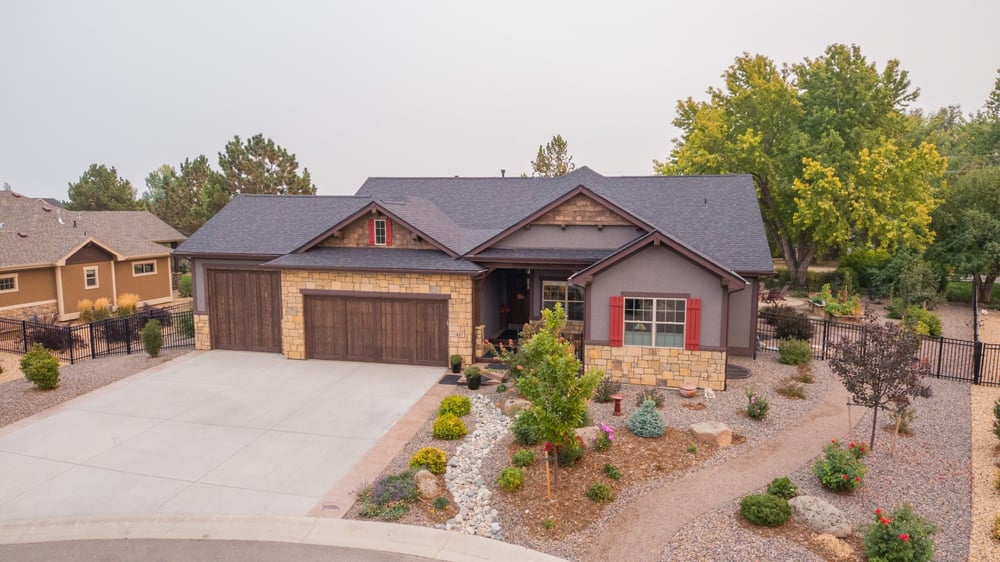
Colorado homeowners are no strangers to severe weather. Hailstorms, high winds, heavy snow, and rapidly changing conditions can all take a toll on a home's exterior. While some storm damage is obvious, other issues can be difficult to spot and may not reveal themselves until months later.
Whether you're dealing with roof hail damage, damaged siding, missing shingles, or concerns about a recent storm, understanding the storm damage restoration process can help you make informed decisions about protecting your home.
In this blog resource, we'll cover the most common types of storm damage in Colorado, how to identify potential issues, what steps to take after a storm, and what to expect during the restoration process.
- Why Storm Damage Is a Common Concern for Denver Homeowners
- What Should You Do After a Storm Damages Your Home?
- Common Types of Storm Damage in Colorado
- How to Assess Storm Damage After a Hailstorm or Wind Event
- Why a Professional Storm Damage Inspection Matters
- What Homeowners Should Know About the Storm Damage Insurance Claim Process in Colorado
- Choosing the Right Storm Restoration Contractor in Denver
- What to Expect During a Storm Damage Restoration Project
- Storm Damage Restoration vs. Full Exterior Renovation: Which Is Right for Your Home?
- Protecting Your Home After Storm Damage
- Frequently Asked Questions
- Need Help with Storm Damage Restoration in Denver
Why Storm Damage Is a Common Concern for Denver Homeowners
Denver's climate creates unique challenges for homeowners. Throughout the year, homes may be exposed to hailstorms, high winds, intense UV exposure, heavy snowfall, and dramatic temperature swings.
Hail is one of the most common causes of exterior storm damage in Colorado. Even relatively small hailstones can damage roofing materials, dent gutters, crack siding, and shorten the lifespan of exterior components. Larger storms can cause significant damage that requires professional storm damage restoration or exterior repairs.
Wind can be equally destructive. Strong gusts may loosen shingles, damage flashing, pull siding away from the home, or create openings that allow moisture to penetrate the building envelope.
Because storm damage is not always immediately visible, many homeowners underestimate the impact a severe storm can have on their property. What appears to be minor damage today can develop into more costly repairs if left unaddressed.
What Should You Do After a Storm Damages Your Home?
If your home has been exposed to a significant hailstorm or wind event, taking the right steps early can help protect your property and simplify the restoration process.
Focus on Your Safety
Before inspecting your home after inclement weather, make sure conditions are safe. Watch for downed power lines, damaged trees, loose building materials, or other hazards around the property.
Document Any Visible Damage
Take photos of any damage you can safely observe from the ground. This may include:
- Missing or lifted shingles
- Damaged siding
- Dented gutters or downspouts
- Broken windows
- Fallen tree limbs
- Exterior debris impacts
Documenting visible damage can be helpful if you need to file an insurance claim later.
Prevent Further Damage If Necessary
If a storm has created an opening that could allow water intrusion, temporary measures may be needed to protect the home until repairs can be completed.
Schedule a Professional Inspection
One of the most important steps after a storm is scheduling a professional inspection. Not all damage is visible from the ground, and issues such as hail damage to roofing materials or compromised flashing can easily go unnoticed.
An experienced storm restoration contractor can evaluate the condition of your home's exterior, identify areas of concern, and help you understand the next steps.
Avoid Rushing Into Major Decisions
After severe storms, homeowners are often contacted by contractors offering immediate repairs. Before moving forward with any restoration work, take the time to understand the scope of the damage, review your options, and work with a qualified contractor who has experience serving homeowners in the Denver area.
The right approach early in the process can help ensure repairs are completed properly and that your home remains protected for years to come.
Common Types of Storm Damage in Colorado
Storm damage can affect several areas of a home’s exterior. Some issues are easy to see right away, while others require a closer inspection to identify. Analyzing each type of damage can help you create a cost estimate for repairs or restoration of your home.
Roof Hail Damage
Roof hail damage is one of the most common concerns after a Colorado storm. Hail can bruise shingles, knock away protective granules, damage flashing, and weaken roofing materials over time.
Even if your roof is not leaking, hail damage can reduce its ability to shed water properly. That's why it's important to consider a hail damage roof inspection after significant storms, especially if nearby homes or vehicles show signs of impact.
Hail Damage to Home Siding
Siding can also take a direct hit during a hailstorm. Depending on the material, hail damage to siding may appear as dents, cracks, chips, punctures, or loosened panels.
Damaged siding can affect both the appearance and performance of your home’s exterior. If cracks or openings are present, moisture may find its way behind the siding and create larger issues over time.
Wind Damage to Roofing and Exterior Materials
High winds can lift shingles, loosen flashing, damage roof edges, and pull exterior materials away from the home. Wind damage repair in Denver is especially important after storms with strong gusts, since wind-driven rain can expose weaknesses in the building envelope.
Signs of wind damage may include missing shingles, bent metal components, detached siding, or debris impact around the home.
Damage to Gutters, Windows, and Exterior Components
Storms can also damage gutters, downspouts, windows, trim, fascia, soffits, and exterior doors. Dented gutters may seem minor, but they can affect drainage if the system is bent or pulled out of alignment.
Windows and trim should also be checked for cracks, broken seals, or impact marks. A complete exterior storm damage repair plan should account for the full exterior, not just the roof.
How to Assess Storm Damage After a Hailstorm or Wind Event
After a storm passes, many homeowners wonder how to spot storm damage without climbing onto the roof. While a professional inspection is the safest and most reliable option, there are a few signs you can look for from the ground.
Common signs of storm damage include:
- Missing, lifted, or curled shingles
- Shingle granules collecting near downspouts
- Dented gutters, downspouts, vents, or flashing
- Cracked or chipped siding
- Loose siding panels or trim
- Broken window glass or damaged screens
- Water stains on ceilings or walls
- Debris impact marks around the property
- Fallen branches or damage from nearby trees
A home may appear unaffected after a storm, but not all damage is immediately visible. Roofing, siding, and other exterior materials can be compromised without obvious signs from the ground. A professional inspection can help identify potential issues early and give homeowners a clear understanding of their home's condition.
Why a Professional Storm Damage Inspection Matters
A professional inspection helps homeowners understand the true condition of their home after a storm. Trained restoration professionals know where to look, what types of damage are common in Colorado, and how to evaluate the exterior as a complete system.
A thorough inspection may include the roof, siding, gutters, windows, flashing, trim, fascia, soffits, and other exterior components. The goal is not just to identify visible damage, but to determine whether the home’s exterior is still performing as it should.
Working with an experienced storm restoration contractor in Denver can also help homeowners avoid unnecessary repairs, incomplete scopes of work, or missed damage that could lead to problems later.
What Homeowners Should Know About the Storm Damage Insurance Claim Process in Colorado
If storm damage is significant, you may need to contact your homeowner’s insurance company and begin the claims process. Every policy is different, so it is important to review your coverage and speak directly with your insurance provider about what is included.
In many cases, storm damage insurance claims in Colorado may involve documentation, inspections, adjuster visits, repair estimates, and coordination between the homeowner, insurance company, and contractor.
This is where working with an experienced insurance restoration contractor can be helpful. A contractor who has gone through the process with other homeowners can help document visible damage, provide a clear repair scope, and communicate what is needed to restore the home properly.
The contractor does not replace the insurance company or determine coverage, but they can help homeowners better understand the repair side of the process and make sure the scope reflects the actual condition of the home.

Choosing the Right Storm Restoration Contractor in Denver
Not all contractors have the same experience when it comes to storm damage restoration. After a major storm, homeowners may be approached by companies offering quick inspections or immediate repairs.
While it can be tempting to move quickly, taking the time to choose the right contractor can make a significant difference in the outcome and quality of your home's restoration.
When evaluating a storm restoration contractor, consider the following:
- Experience with storm damage restoration and insurance-related repairs
- Knowledge of Colorado weather and local building requirements
- A clear process for inspections, documentation, and project management
- Strong communication throughout the project
- A strong portfolio of completed exterior restoration projects
- Local references and customer reviews
The goal is to find a contractor who can guide you through the process, communicate clearly, and deliver quality workmanship from start to finish.
What to Expect During a Storm Damage Restoration Project
Every project is different, but most storm damage restoration projects follow a similar process.
1. Initial Inspection
The process typically begins with a thorough inspection of the home's exterior. This helps identify visible damage as well as areas that may require closer evaluation.
2. Damage Assessment and Scope Development
Once the inspection is complete, a detailed scope of work can be developed outlining the repairs needed to restore the home.
Depending on the extent of the damage, this may include roofing, siding, gutters, windows, trim, or other exterior components.
3. Insurance Coordination
If an insurance claim is involved, the contractor may work alongside the homeowner throughout the process by providing documentation, estimates, and repair details as needed.
4. Construction and Restoration
Once approvals are in place, restoration work can begin. The timeline will vary based on the size and complexity of the project, but the focus remains the same: restoring the home's exterior while maintaining quality craftsmanship and attention to detail.
5. Final Review
Before the project is complete, the contractor should review the finished work with the homeowner to ensure all repairs have been completed properly and that the home is fully protected moving forward.
Storm Damage Restoration vs. Full Exterior Renovation: Which Is Right for Your Home?
In some cases, storm damage repairs are relatively straightforward. Replacing damaged roofing, siding, gutters, or other exterior components may be all that is needed to restore the home. However, there are situations where homeowners decide to take the opportunity to improve their home's durability against future storms.
If your home was already showing signs of age, has outdated exterior materials, or could benefit from improved curb appeal, a storm damage event can create an opportunity to evaluate larger exterior improvements.
For many homeowners, this becomes a chance to think beyond the immediate repairs and consider the long-term performance of their home. Investing in durable materials, updated exterior systems, and thoughtful design improvements can help protect the home for years to come while enhancing its appearance, functionality, and value.
For example, some homeowners choose to:
- Upgrade exterior siding materials
- Improve energy efficiency with new windows
- Update exterior trim and architectural details
- Enhance outdoor living spaces
- Refresh the overall appearance of the home
The right approach depends on your goals, budget, and the condition of your home's exterior. An experienced contractor can help you evaluate your options and determine whether simple repairs or a more comprehensive exterior renovation makes the most sense.
At Cillessen Construction, we regularly help homeowners navigate these decisions. Whether you're focused on restoring storm damage or exploring larger exterior improvements, our team can walk you through the possibilities and help you make informed decisions about your home and investment.
Protecting Your Home After Storm Damage
Once repairs have been completed, ongoing maintenance can help protect your investment and extend the life of your home's exterior.
A few proactive steps include:
- Scheduling periodic roof inspections
- Keeping gutters and downspouts clear
- Trimming trees near the home
- Monitoring siding and exterior finishes for signs of wear
- Addressing minor issues before they become larger repairs
While Colorado weather is unpredictable, regular maintenance and prompt attention to storm damage can help reduce the likelihood of more significant problems in the future.
An updated, well-maintained exterior not only protects your home from the elements but also helps preserve its appearance, performance, and long-term value.

Frequently Asked Questions About Storm Damage Restoration
How Do I Know if My Roof Has Hail Damage?
Some signs of hail damage can be visible from the ground, including missing shingles, dents in gutters, damaged flashing, or granules collecting near downspouts. However, many forms of hail damage are difficult to identify without a professional inspection.
Because hail can compromise roofing materials without causing immediate leaks, it is often best to schedule an inspection after a significant storm, especially if neighboring homes have reported damage.
Can Hail Damage Cause Problems Even if My Roof Isn't Leaking?
Yes. Hail damage can weaken shingles, remove protective granules, and shorten the lifespan of roofing materials long before a leak develops.
While the roof may continue to keep water out for a period of time, hidden damage can make the roofing system more vulnerable to future storms, moisture intrusion, and premature deterioration. Addressing damage early can help prevent more extensive repairs later.
How Soon Should You Have Your Home Inspected After a Hailstorm?
In most cases, homeowners should schedule an inspection as soon as it is safe to do so after a significant hailstorm or wind event.
A timely inspection helps identify damage before small issues become larger problems and provides documentation that may be helpful if an insurance claim is necessary. It can also give homeowners peace of mind if no repairs are needed.
Does Homeowner's Insurance Cover Storm Damage?
Many homeowner's insurance policies provide coverage for storm-related damage, but coverage varies depending on the policy and the circumstances of the claim.
If you believe your home has sustained storm damage, contact your insurance provider to discuss your coverage and next steps. An experienced restoration contractor can also help document damage and provide information about the repairs needed to restore your home.
Need Help with Storm Damage Restoration in Denver?
Storm damage can be stressful, but understanding the process and taking action early can help protect your home and simplify the path forward. Whether your property has experienced hail damage, wind damage, or other exterior storm-related issues, a professional inspection can help determine the condition of your home and identify the repairs needed to restore it properly.
At Cillessen Construction, we help homeowners throughout the Denver area navigate exterior storm damage repairs with clear communication, quality craftsmanship, and a thoughtful approach to every project. From roofing and siding repairs to complete exterior restorations, our team can help you evaluate your options and develop a plan that fits your home and goals.
Has your Colorado home experienced hail or wind damage? Our team can help you evaluate the condition of your property and understand your next steps. We can walk you through:
- Storm damage inspection findings
- Restoration and repair recommendations
- Insurance claim considerations and guidance through the damage inspection process
- Long-term exterior improvement opportunities
- Estimated investment cost and timeline expectations
- The best path forward for your home
If you have questions about storm damage restoration, insurance-related repairs, or exterior improvements, contact our team to schedule an inspection and learn more about the next steps.